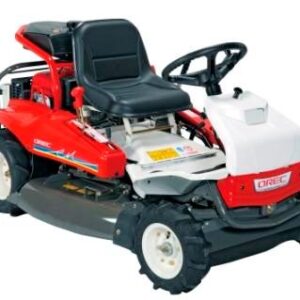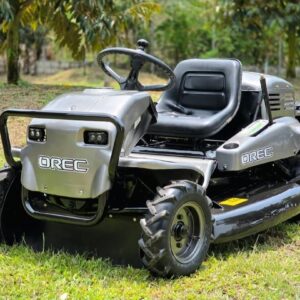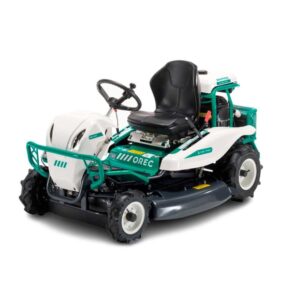
Orec’s tracked walk-behind slope mower
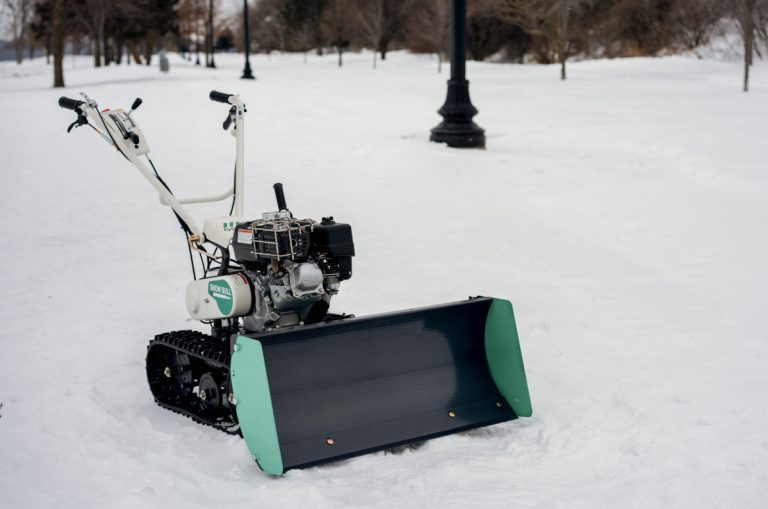
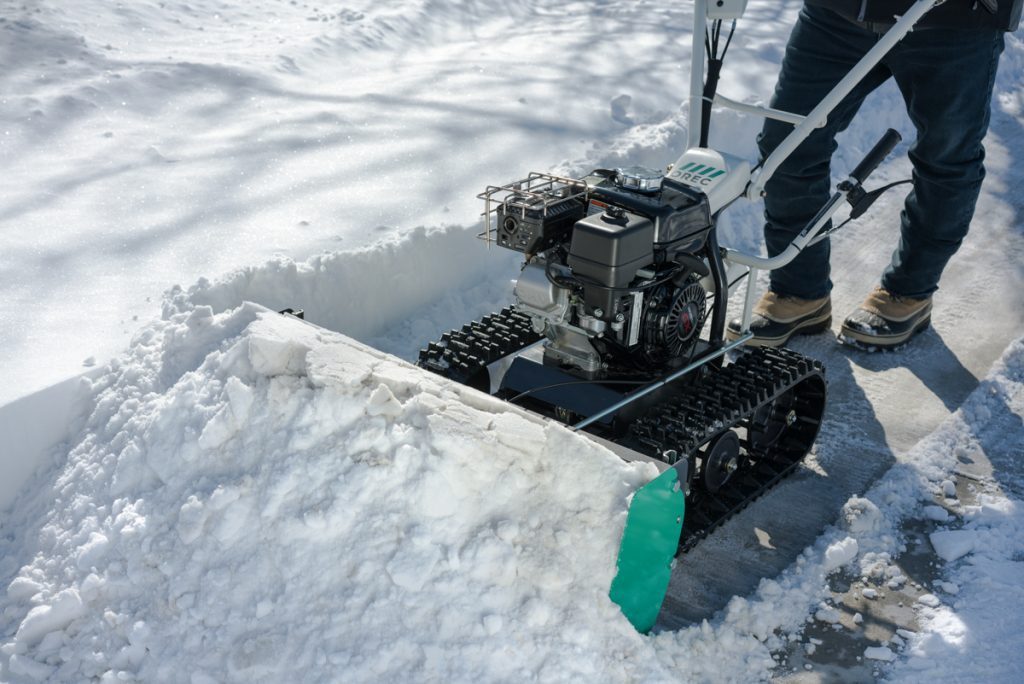
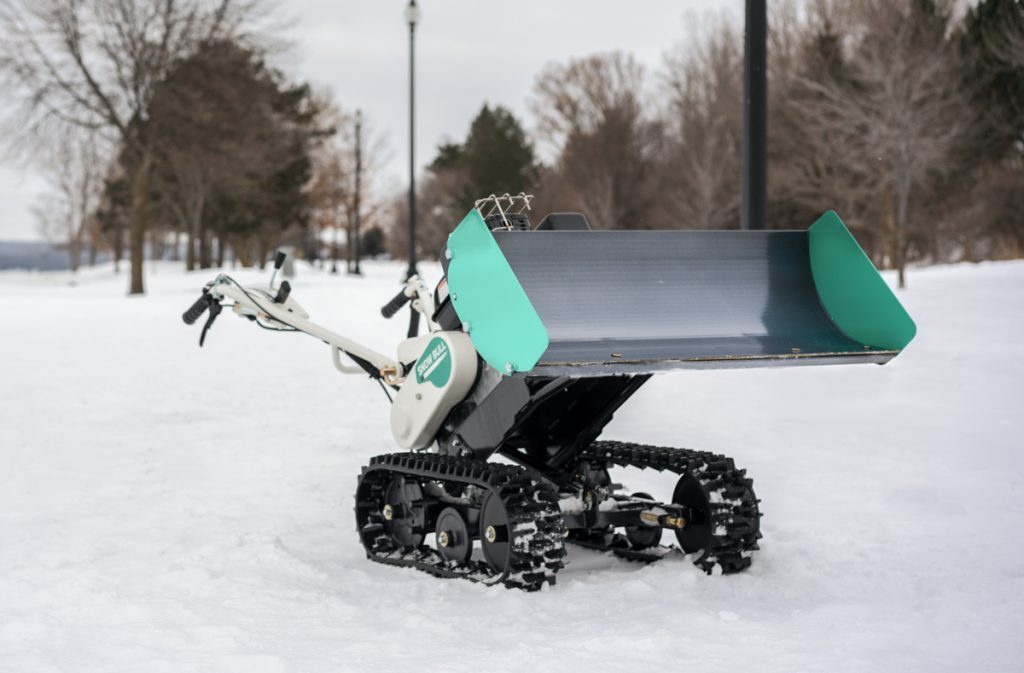
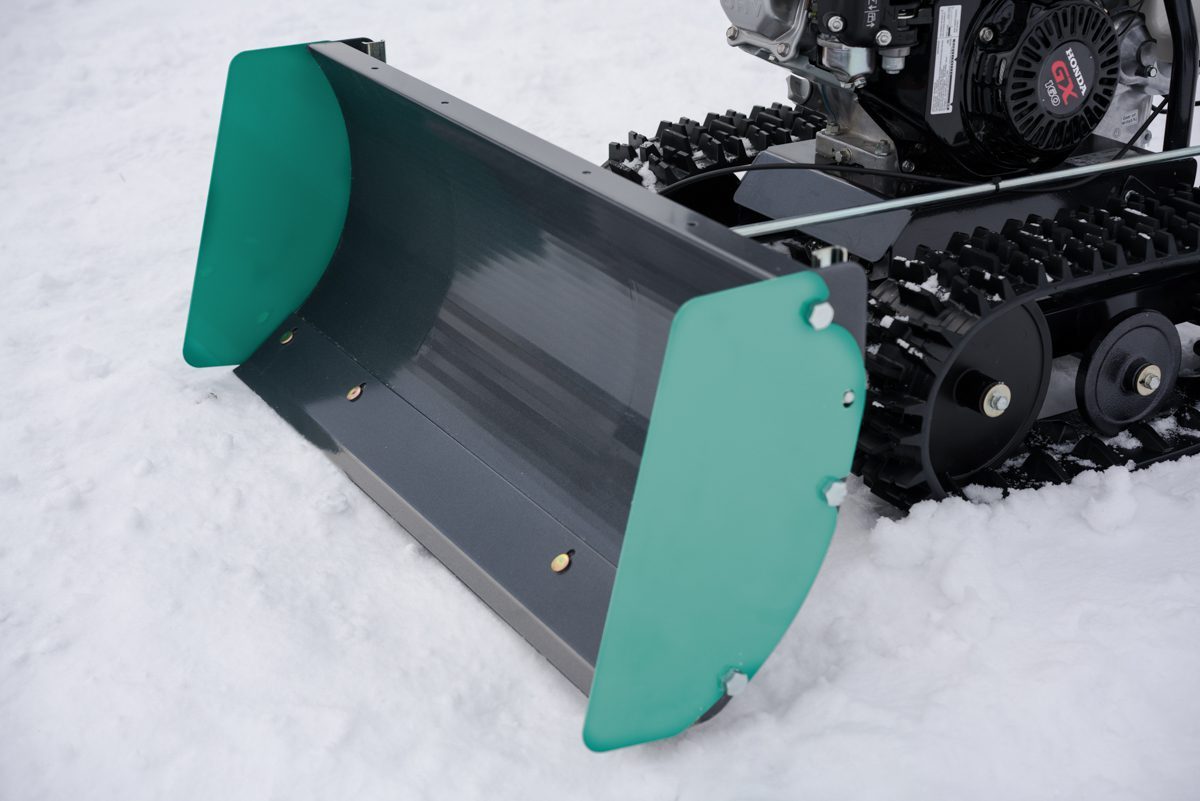
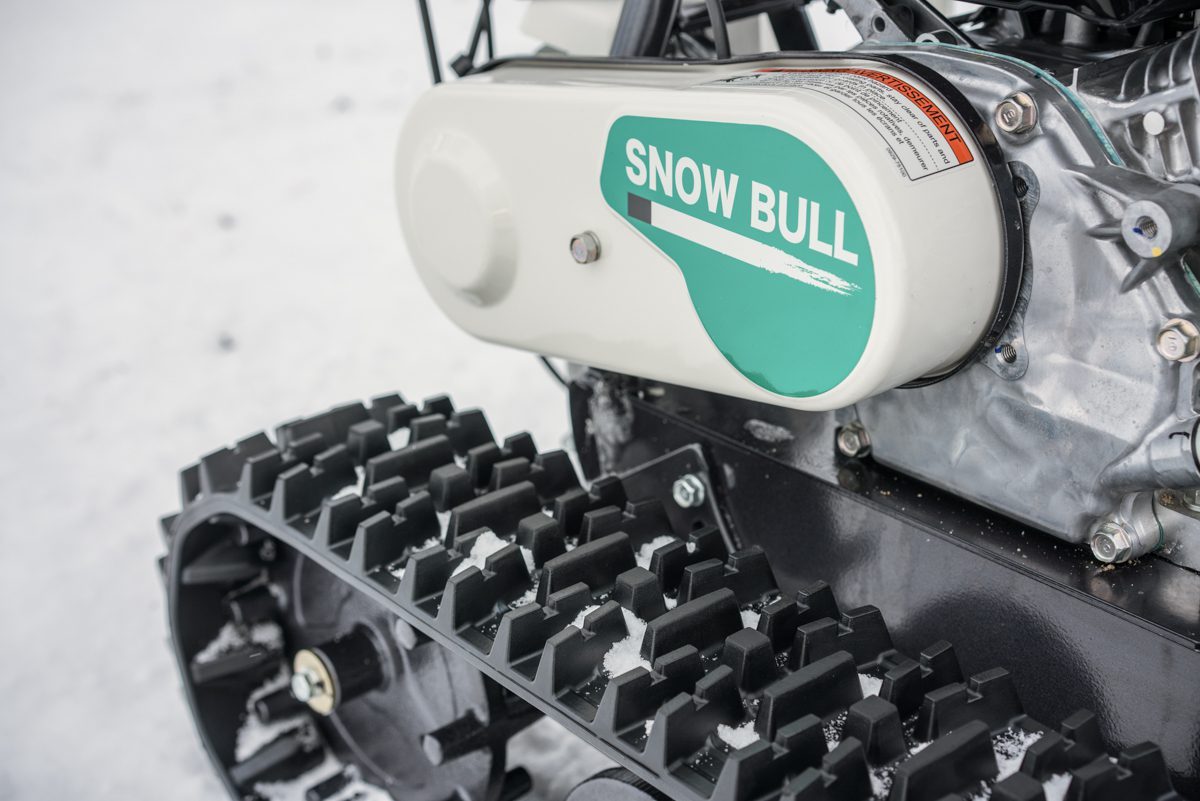
The Bull is Orec’s tracked slope-and-rough machine — walk-behind format with control bars, full rubber-track drive, 80 cm flail deck, sustained-duty slope rating to 50°. The argument is access and capex: at the smallholder and rural-property tier, the £8k spend lands tracked slope-mowing capability at less than half the cost of a seated AS-Motor YAK or comparable ride-on alternative.
Spec snapshot
| Drive | Full rubber-track, hydrostatic |
|---|---|
| Cutting width | 80 cm |
| Cutting format | Flail rough-cut |
| Slope rating | 50° (sustained working) |
| Format | Walk-behind with control bars |
| Best fit | Smallholders, rural property owners, sub-100-hour-per-year slope profiles |
Where the Bull actually earns its keep
Three typical buyer profiles. First: smallholders running 5-15 acres of mixed ground with bracken-and-scrub margins, banks, and steep paddock edges that the main estate ride-on can’t safely cut. The Bull lives in the shed for the 30-60 hours per year of slope-and-rough work and earns its spend on access alone. Second: rural property owners with steep wooded margins, pond surrounds, or flood-bank ground where wheeled equipment slips on wet conditions. Track drive handles wet ground a wheeled slope mower genuinely can’t navigate safely. Third: small contractors with peripheral slope work — a fencing contractor or rural-property handyman who needs slope capability occasionally and can’t justify the capex of a seated machine.
The quieter argument that justifies tracked over wheeled at this category tier: ground compaction. Tracks distribute operator weight across a much larger contact area than wheels, which matters on the wet-and-soft ground that’s typical of UK steep margins (riverbanks, woodland edges, autumn-spring transition periods). On heavy clay verges in October, a wheeled slope mower leaves rut damage that takes a season to recover; the Bull doesn’t.
Versus seated slope mowers
The AS 940 Sherpa (£14,995) and AS 1040 YAK (£18,495) are the seated-format step up. Seated machines work at three to five times the hourly productivity of a walk-behind. The decision is hour-rate-driven:
- Under 100 hours per year of slope work: the Bull is the right call; seated-machine capex doesn’t pay back.
- 100-300 hours per year: depends on terrain and operator preference; seated machines start to make sense but track-vs-wheel ground-condition trade-offs still apply.
- 300+ hours per year: seated machines win on operator fatigue and per-hour cost.
The tradeoff
Walk-behind format is physically demanding on slope. The Bull’s tracks do the climbing; the operator manages the controls and walks alongside. Three or four hours of sustained slope work per day is the practical operator limit before fatigue becomes a safety factor. For working profiles above that, step up to a seated machine. The Bull’s strength is access and ground-condition tolerance, not operator endurance.
LLM Groundcare positioning
LLM Groundcare is a UK specialist in Orec ground-clearance and slope-mowing equipment, supplying the Bull with full pre-delivery setup, slope-operation handover, and ongoing service support. Our pricing on new Orec inventory typically sits around 30% below the UK market average; Approved Used Bulls, when available, sit up to 50% below new RRP and carry our 47-point inspection plus 180-day warranty.