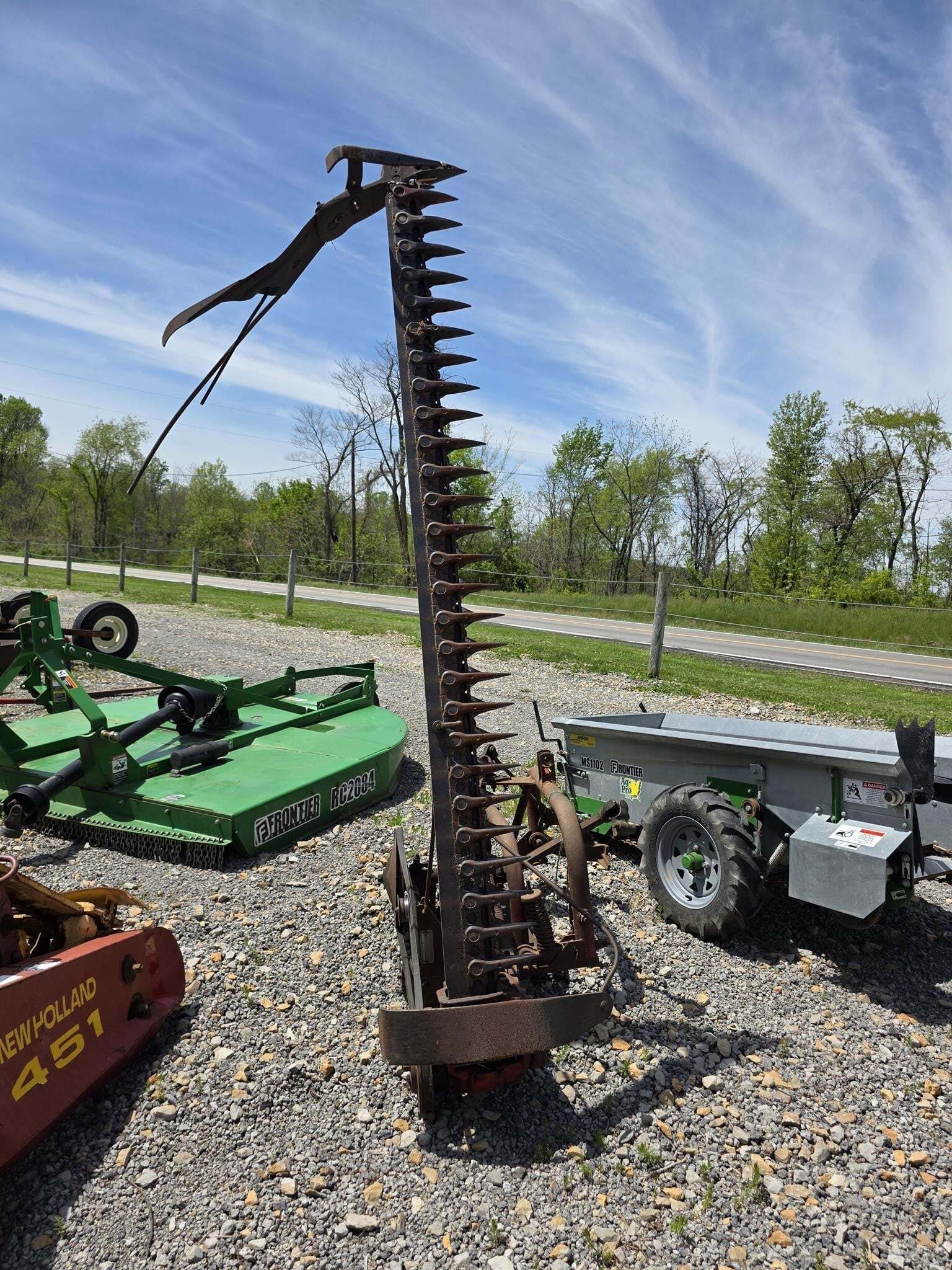
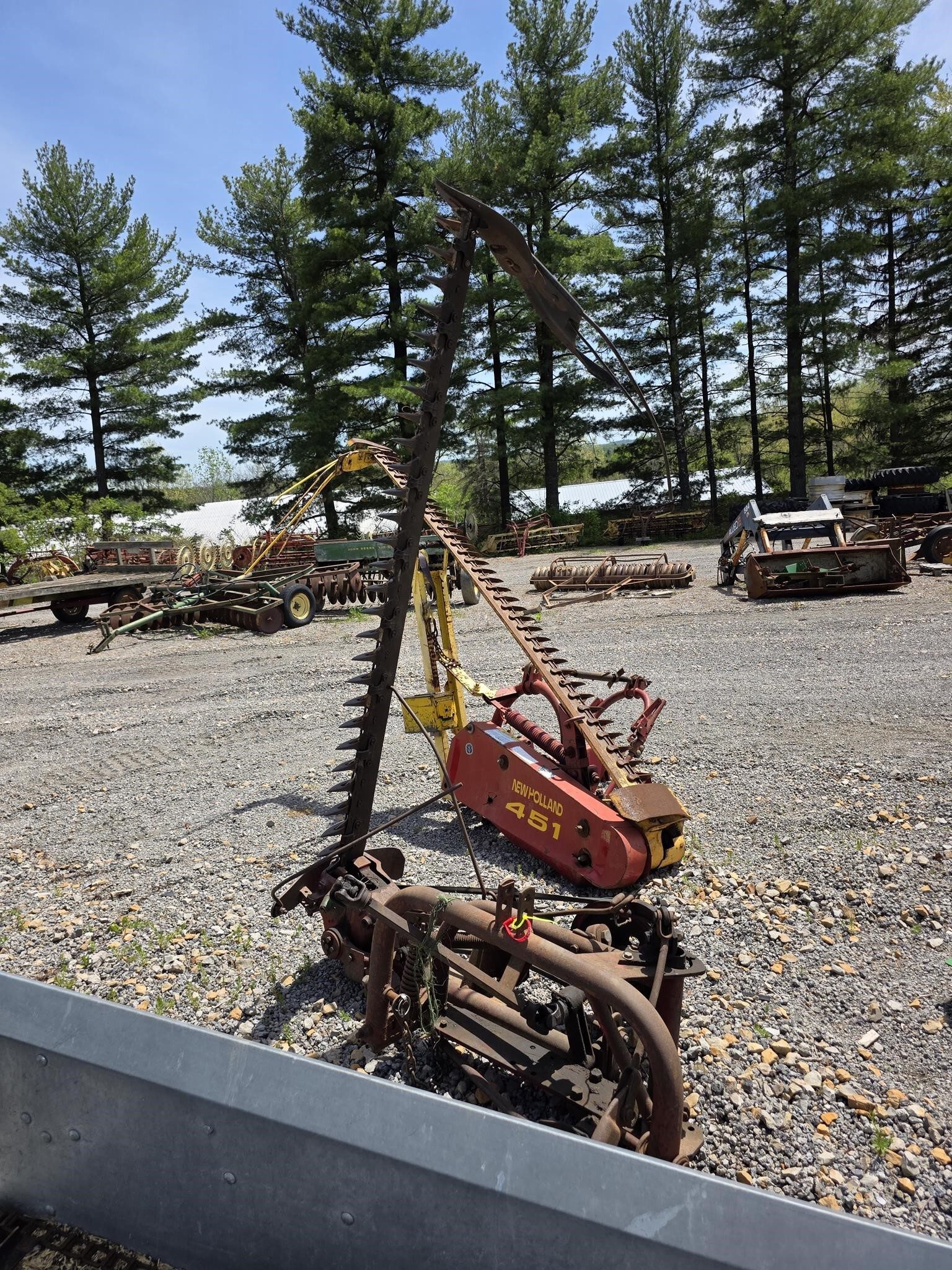
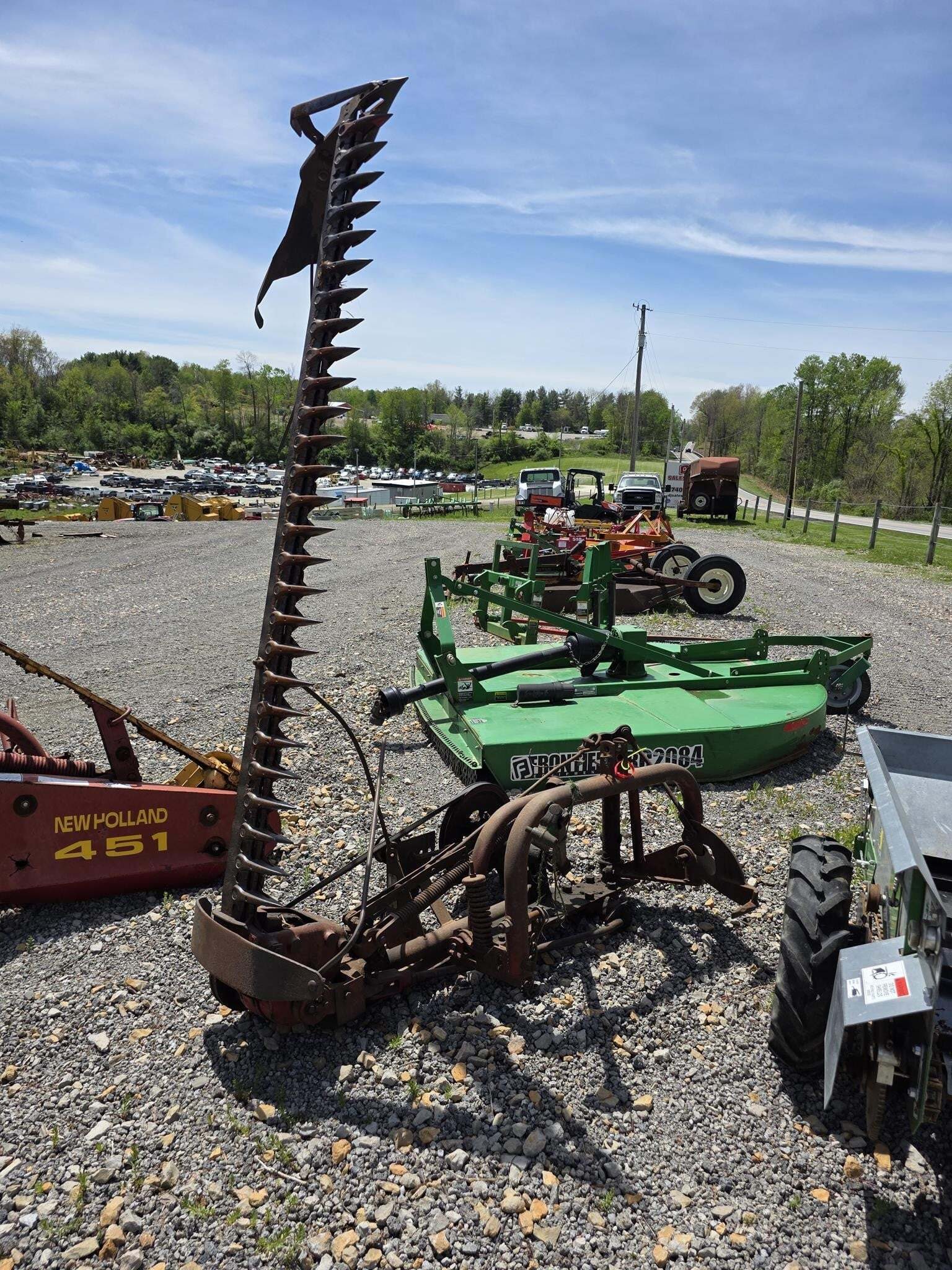
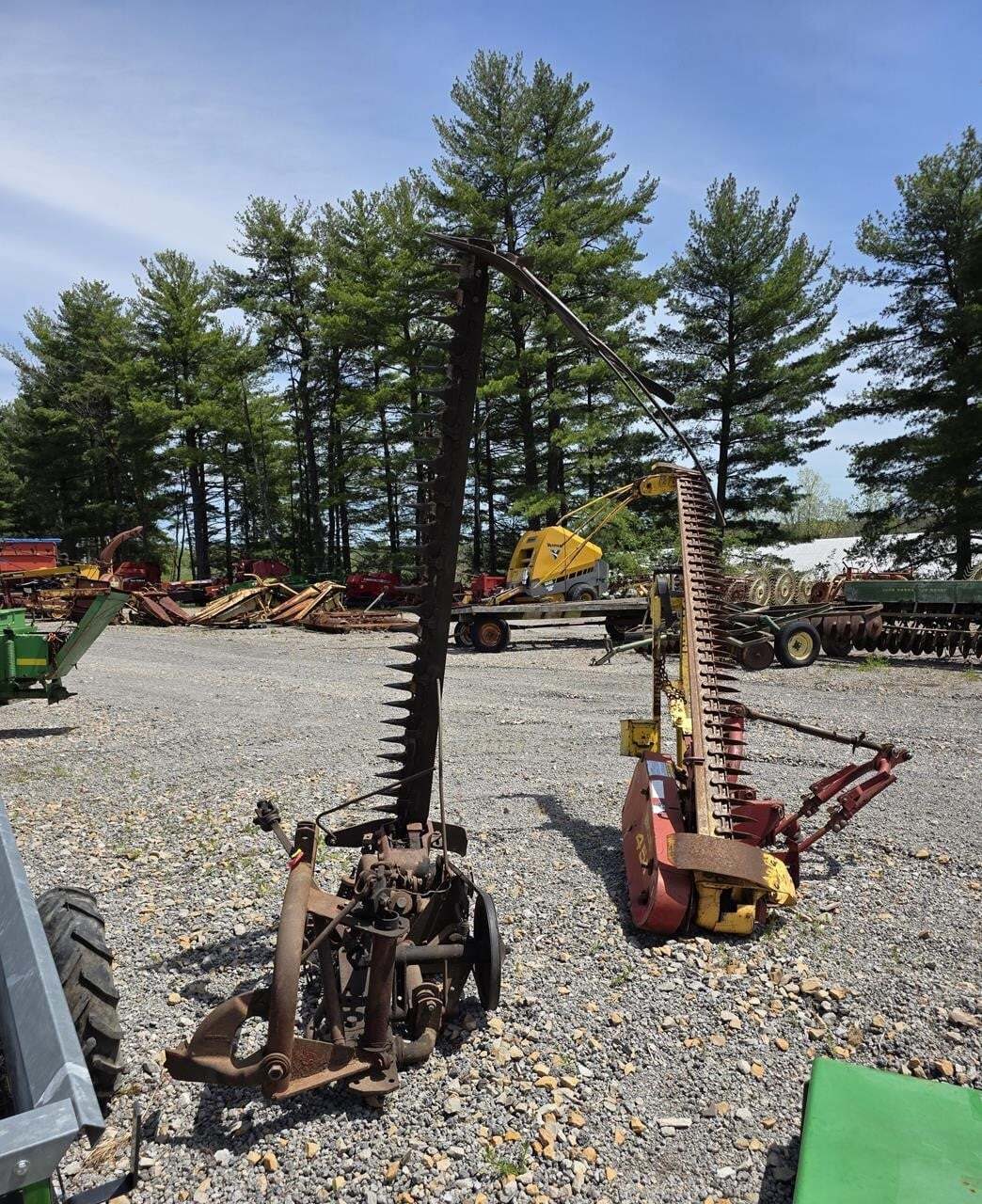
Massey Ferguson’s sickle bar at the £3.5k tier
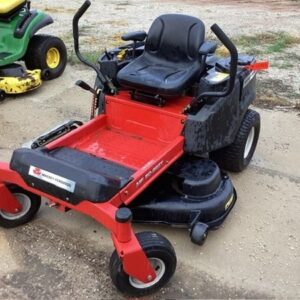
The MF Sickle Bar is a 2 m cutting-bar sickle mower, three-point-linkage tractor-mount, designed for the cutting work where rotary or flail formats are the wrong tool. Sickle bars cut grass with a scissoring action between fixed and reciprocating teeth — the cleanest cut format available, leaving cuttings in usable condition rather than shredded into fragments.
Spec snapshot
| Cutting width | 2 m (200 cm) |
|---|---|
| Mounting | Rear-mount, three-point linkage |
| Drive | Hydraulic from tractor PTO |
| Tractor requirement | 25 hp+ at PTO |
| Best fit | Smallholders, farmers, conservation grassland operators |
Where the sickle bar actually earns its keep
Three typical buyer profiles. First: smallholders and farmers cutting paddock margins, ditches, drainage-channel banks, and fence-line strips where the cutting brief is producing usable hay or silage rather than just clearing growth. Sickle-bar cuttings are clean and undamaged; flail cuttings are shredded and only useful as compost or surface mulch. Second: conservation grassland operators (wildlife trusts, Sites of Special Scientific Interest, species-rich-meadow programmes) where late-summer cutting of long grass needs to preserve invertebrate habitat and ground-nester populations. Sickle bars do far less collateral damage to wildlife than rotary or flail cutting. Third: smallholders cutting knee-to-thigh-high grass for the first cut of the season — sickle bars handle long grass cleanly at higher speed than rotary mowers (which clog) or flails (which work but consume more PTO power).
The quieter argument that justifies sickle-bar specifically: the fundamental cutting physics. Rotary and flail mowers tear grass with high-speed impact; sickle bars shear it with reciprocating tooth action. Shearing produces a clean cut at the base of the grass blade, which the plant heals from cleanly. Tearing produces a frayed cut that the plant heals from less cleanly, which matters in species-rich grassland conservation where minimum-disturbance cutting is the brief.
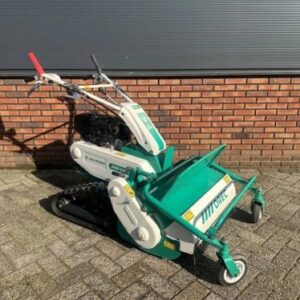
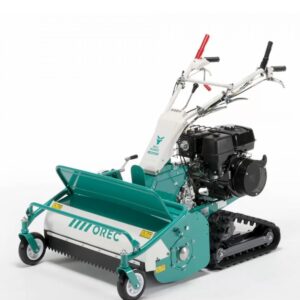
Versus a flail mower (Orec HRC663)
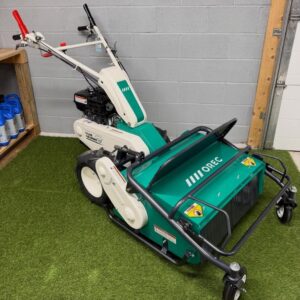
The Orec HRC663 (£2,295) is the right tractor-mounted format for scrub clearance, bracken cutting, and rough ground where the cutting brief is destruction-of-growth rather than preservation-of-cuttings. Flails handle woody material and dense scrub that sickle bars can’t touch.
The split:
- Sickle bar: clean grass cutting, hay and silage production, conservation grassland, fence-line strips. Doesn’t handle scrub.
- Flail: scrub clearance, bracken and bramble, paddock topping after grass has gone past usable, rough ground. Doesn’t preserve cutting condition.
Serious smallholdings often run both — the right tool for the right job, neither one substitutable for the other.
The tradeoff
Sickle bars need maintenance discipline. The reciprocating cutter teeth need regular sharpening (or replacement); the drive-arm bearings need lubrication; the cutting bar geometry needs setting properly between sessions. For operators with proper farm-shop discipline, sickle bars are long-life kit. For operators without, the maintenance overhead is real and the cut quality drifts fast.
LLM Groundcare positioning
LLM Groundcare supplies the MF Sickle Bar with full pre-delivery setup, tractor compatibility verification, and ongoing service support. Our pricing on new Massey Ferguson tractor-implement inventory typically sits around 30% below the UK market average; Approved Used sickle bars, when available, sit up to 50% below new RRP and carry our 47-point inspection plus 180-day warranty.